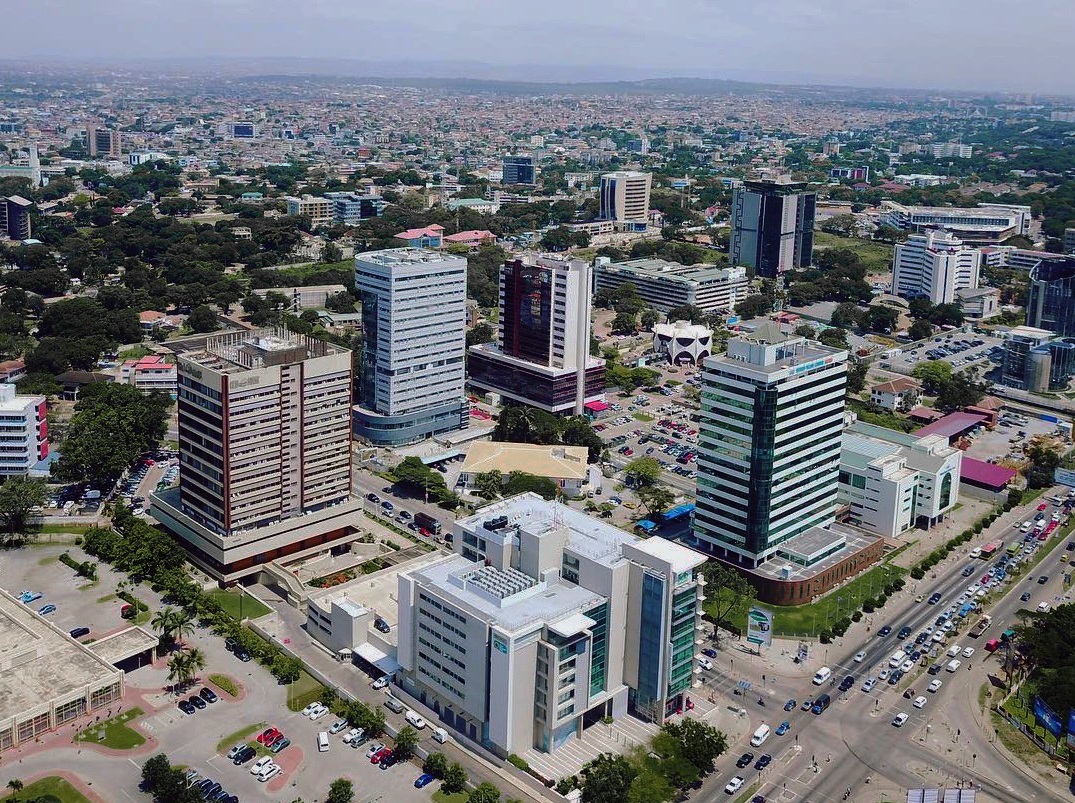
National Museum of Ghana
Historical Significance
The National Museum of Ghana, inaugurated on March 5, 1957, just a day before the nation gained independence, stands as a cornerstone of Ghana's cultural preservation efforts. Established by the Ghana Museums and Monuments Board (GMMB), its inception marked a crucial step in showcasing Ghana's rich heritage from a distinctly Ghanaian perspective, moving beyond colonial narratives. The museum's extensive collections span archaeology, ethnography, and art. It houses artifacts dating from the Stone Age through to the present, including ancient tools, ceremonial objects, traditional textiles, and royal regalia. The art gallery features both traditional and contemporary Ghanaian art. As an educational institution, the museum plays a vital role in promoting understanding and appreciation of Ghana's diverse history, traditions, and artistic expressions, serving as a beacon of national identity and pride.
Did you know?
"Many of the museum's archaeological exhibits, some dating back to the Stone Age, were collected and preserved even before Ghana gained independence, showcasing a remarkable foresight in national heritage conservation."
Tour Guide Narration
Visitor Tips
- 1Allow at least 2-3 hours to fully explore all the exhibits.
- 2Photography is often restricted in certain areas; always check with staff upon entry.
- 3Consider hiring a local guide at the entrance for deeper insights into the collections and Ghanaian culture.
- 4Wear comfortable shoes, as you'll be doing a fair amount of walking through the galleries.
- 5Visit the museum's small craft shop for authentic Ghanaian souvenirs and gifts.
- 6Check the museum's opening hours in advance, especially during public holidays, as they can vary.
Nearby Attractions
Kwame Nkrumah Mausoleum
A significant national monument dedicated to Ghana's first President, Dr. Kwame Nkrumah, featuring a mausoleum, museum, and a peaceful park.
Makola Market
Accra's largest and most vibrant open-air market, offering everything from textiles and crafts to fresh produce and local street food.
Independence Square (Black Star Square)
A large public square in Accra, home to the Independence Arch and the Black Star Gate, symbolizing Ghana's independence.
Accra Central Mosque
A grand and recently renovated mosque, showcasing beautiful Islamic architecture and serving as a major religious center in Accra.
Centre for National Culture (Art Centre)
A lively center where you can find a wide array of Ghanaian arts, crafts, textiles, and traditional performances, perfect for souvenir shopping.
Experience UrGuidr
UrGuidr uses advanced AI to identify landmarks and narrate their history in real-time. Join thousands of explorers worldwide.
Start Your Journey